
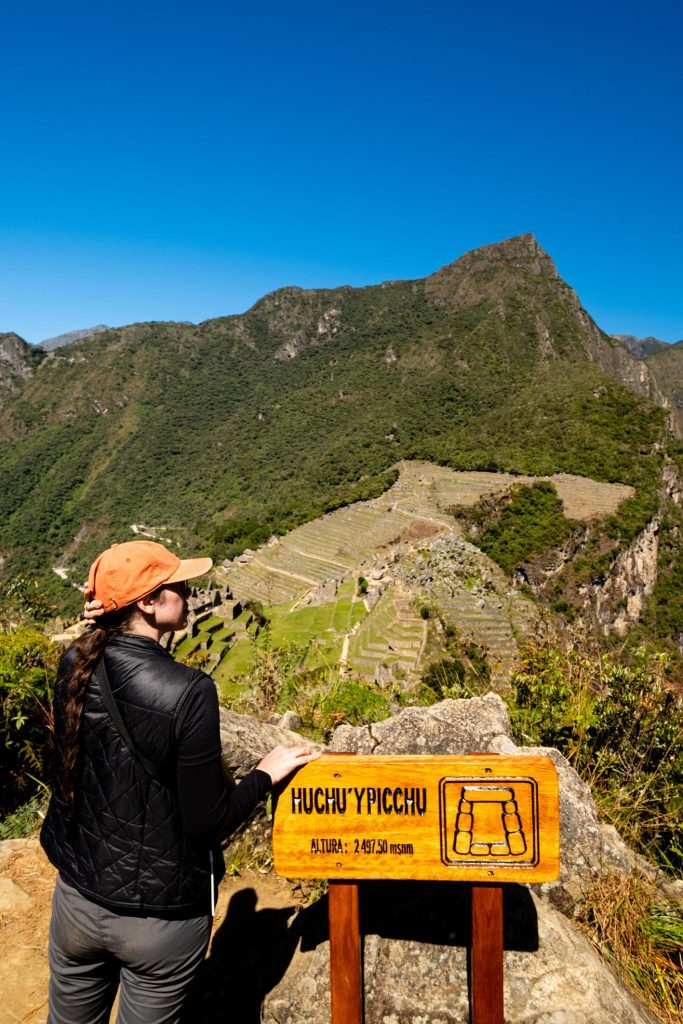
Choosing when to visit Machu Picchu is one of the highest-leverage decisions of your whole trip. The citadel sits at 2,430 metres in a subtropical pocket of the Andes, and its year splits cleanly into two seasons: a dry season from May to October and a rainy season from November to March. Get the timing right and you’ll stand above the terraces under blue-sky mornings; get it wrong and you can still have a wonderful trip — but you’ll want to know exactly what you’re signing up for.
The short answer
If you want the quick version: the best months for most travellers are late April to May and September to October. These shoulder-season windows combine the dry season’s best qualities — clearer skies, drier stone paths — with noticeably thinner crowds and easier ticket availability than the June–August peak. June through August is the driest stretch of the year, but it is also when the citadel is busiest and tickets sell out fastest. The rainy season, November through March, is the quietest time to go, with misty, atmospheric mornings — but expect regular rain, especially in the afternoons, and plan around it.
Dry season: May to October
The dry season is when Machu Picchu looks most like the postcards. Mornings are usually clear and sunny, with cloud building through the afternoon; brief showers are still possible, but prolonged rain is rare. Visibility is at its best, which matters whether you’re climbing Huayna Picchu or just want the classic panoramic shot of the citadel. Trails and stone steps are at their least slippery, too.
The trade-off is temperature and crowds. Nights are cold — especially June through August, when an early-morning entry can mean near-freezing temperatures at the gate before the sun climbs over the ridge. Warm layers are essential: think a proper insulating layer plus a windproof shell, not just a hoodie. You will peel layers off by midday and want them back the moment the sun drops. Our altitude and packing guide has the full checklist.
Crowds peak in June, July and August, coinciding with Northern Hemisphere summer holidays. Expect the most popular circuits to sell out and the main viewpoints to feel busy through the middle of the day. If your dates are fixed in this window, book everything — citadel tickets, trains, and hotels — as early as you can.
Rainy season: November to March
Don’t write off the rainy season. Mornings are often still clear, which means an early entry slot can deliver beautiful conditions before the clouds gather. Afternoon downpours are the norm rather than the exception, and the rain can be heavy — but it usually arrives in bursts, not as all-day drizzle.
The rewards are real: far fewer visitors, mist drifting through the ruins for genuinely atmospheric photos, and a landscape turned vividly green. The trade-offs: slippery stone steps (good grip on your shoes matters — see our packing guide), occasional railway disruptions after very heavy rain, and good reason to build a buffer day or two into your itinerary in the wettest months.
Pack for it properly and the rainy season can be a delight — just don’t expect blue skies on demand. A quality rain jacket or poncho and a dry bag for your electronics are non-negotiable from November through March.
Month-by-month at a glance
- January to March: the rainiest months — and the quietest at the citadel. Expect daily rain, moody skies, and minimal crowds. Note that the classic Inca Trail closes every February for maintenance (see our Inca Trail permits guide).
- April and May: shoulder season, and for many travellers the sweet spot. Rains taper off, skies clear, temperatures are mild, and crowds are still moderate.
- June to August: the driest months — and the busiest. Book citadel tickets, trains, and accommodation well ahead; our tickets guide explains the booking windows.
- September and October: the second shoulder-season sweet spot. Dry-season weather lingers while the peak crowds thin out.
- November: transitional. Rain becomes more frequent as the month progresses, but early November can still feel like the dry season.
- December: rainy season proper, but with a festive atmosphere around the holidays — and far fewer visitors than mid-year.
Crowds and ticket sellouts
Entry to the citadel is limited by daily capacity, with tickets sold for specific dates, time slots, and circuits — you can’t just show up. The June–August peak sells out fastest, and Circuit 2, the classic route through the main terraces and temples, routinely sells out before the other circuits.
As a rule of thumb, book 2–3 months ahead for June through August; in the rainy season, a few weeks’ notice is usually enough. Where you stay matters here too — if you’re visiting in high season, secure your citadel tickets before you lock in non-refundable hotels (see our where-to-stay guide). Full circuit-by-circuit booking strategy is in our Machu Picchu tickets guide.
What about the Inca Trail?
If you’re dreaming of arriving on foot, timing gets more demanding. The classic Inca Trail closes every February for maintenance, and permits for the rest of the year sell out months ahead — the trail runs on a strictly limited daily quota that has nothing to do with citadel ticket availability. Plan much further ahead than you would for the ruins alone. Everything you need is in our Inca Trail permits guide.
Morning vs afternoon entry
Entry slots run through the day, and each has a different character. Early mornings are often misty — the cloud can hide the ruins entirely until around 10am, which is frustrating if mist is all your slot delivers, and magical once it lifts and the light sharpens across the stonework.
Afternoon slots are generally quieter, and the low sun warms the stonework for some of the day’s best photography. There is no universally “best” slot: choose based on your logistics (our getting-there guide covers same-day versus overnight plans) and whether you prioritise crowd-light afternoons or the classic clearing-morning light.
Once you’ve picked your dates, the next step is securing tickets for the right circuit — then trains and a place to stay. Start with our Machu Picchu tickets guide, and read how to get there before you book anything non-refundable.
Frequently asked questions
When is the dry season at Machu Picchu?
May through October. Mornings are usually clear and sunny, afternoons can still bring brief showers, and nights are cold — especially June through August.
Is Machu Picchu open year-round?
Yes, the citadel is open every day of the year, including the rainy season. Only the classic Inca Trail closes, each February, for maintenance.
Which months have the fewest crowds?
November through March sees the fewest visitors, but expect daily rain. For a balance of decent weather and smaller crowds, aim for late April–May or September–October.
When should I book tickets for high season?
For June through August, book 2–3 months ahead — Circuit 2 (the classic route) routinely sells out first. In the rainy season, a few weeks is usually enough.
Is morning or afternoon better for visiting?
Early mornings often bring mist that can hide the ruins until around 10am, but the light is beautiful once it clears. Afternoon slots are quieter and the stonework glows in the low sun.